REVIEW · TOBAGO
Stand Up Paddle Lessons
Book on Viator →Operated by Stand Up Paddle Tobago · Bookable on Viator
Want confidence fast on a SUP? At Pigeon Point in Tobago, you start with a 20-minute lesson on land before you ever head out into the water with Duane. It’s an easygoing way to learn the basics and still get a real coastal paddle.
I love the structure: land training first, then hands-on practice. I also love the vibe—patient, relaxed coaching that helps you feel steady quickly, even if it’s your first time.
One thing to consider: the session is about an hour, so you’ll mostly get a skills foundation and a short coastal paddle, not a long full-day outing.
In This Review
- Key highlights worth your time
- Pigeon Point is the smart place to learn SUP
- The 1-hour flow: land lesson, water practice, then a short coastal paddle
- Where you meet (and why public transport is a real plus)
- Duane’s coaching style: how beginners actually get comfortable
- What you’ll experience on the water: balance, turns, and real coastal views
- Is it worth $61.54? A value check for beginners
- Who this SUP lesson is best for
- Making the most of your lesson (without overthinking it)
- Want more Tobago from the same paddle experience?
- Should you book this stand-up paddle lesson in Tobago?
Key highlights worth your time
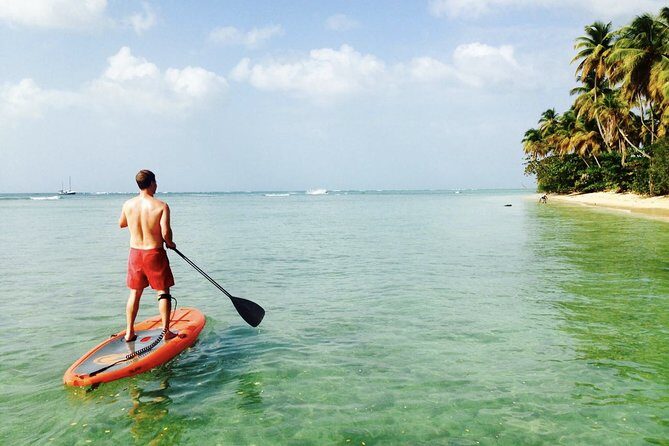
- Pigeon Point practice waters: you learn where the scenery and conditions make sense for building balance.
- 20 minutes on land first: you get taught the moves before you’re in chop and salt.
- Private by design: only your group participates, so you’re not fighting for attention.
- Coastal paddle if you’re up for it: after practicing, you may get a short paddle along the coast.
- Duane’s calm, hands-on teaching: first-timers often go from nervous to standing early, with clear feedback.
Pigeon Point is the smart place to learn SUP
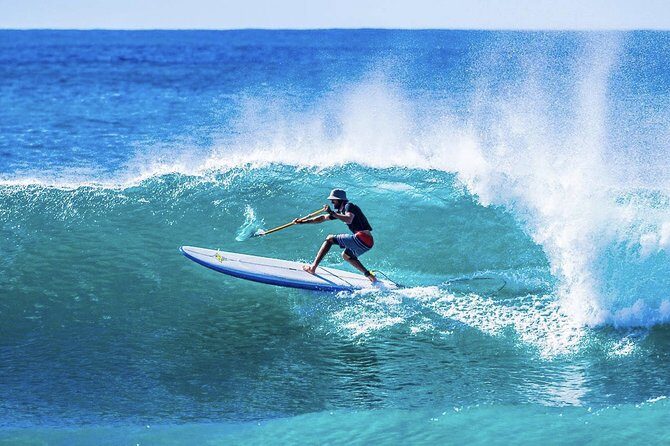
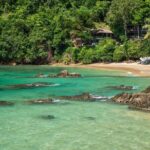
Tobago’s shoreline around Pigeon Point is a great learning setting because it gives you the mix you want as a beginner: open water views, but also spots where you can practice without feeling thrown into the deep end. You’re not learning SUP on a random dock with zero context—you’re learning with the coast right there.
What makes this experience appealing is that it’s not just about getting on a board. You’re getting a short coaching sequence built around confidence: stand, paddle, turn, and then try it while the shoreline is sliding by.
You’ll also benefit from the instructor approach. Multiple people highlight how Duane is patient and laid back, which matters a lot when your first goal is simply staying upright.
A few more Tobago tours and experiences worth a look

The 1-hour flow: land lesson, water practice, then a short coastal paddle
Plan on about one hour total. It runs in a simple order, and that helps your brain not overload.
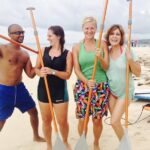
First comes a 20-minute lesson on land. This is where you learn the basics in a controlled way—how your stance should feel, how your paddle connects to the motion, and what to do when the board starts to drift. Doing this on shore is a big deal because you can understand what you’re supposed to do before you’re balancing in waves and water.
Next, you practice in the water. This is where the learning “locks in” because your body has to figure out the timing—standing posture, paddle stroke, and control. The teaching style is meant to make you feel safe enough to try, not just watch.
If you’re feeling up to it, you get a short coastal paddle afterward. That’s the payoff moment. You’ve practiced the moves, now you get to use them while you follow the coastline and enjoy the scenery.
Where you meet (and why public transport is a real plus)
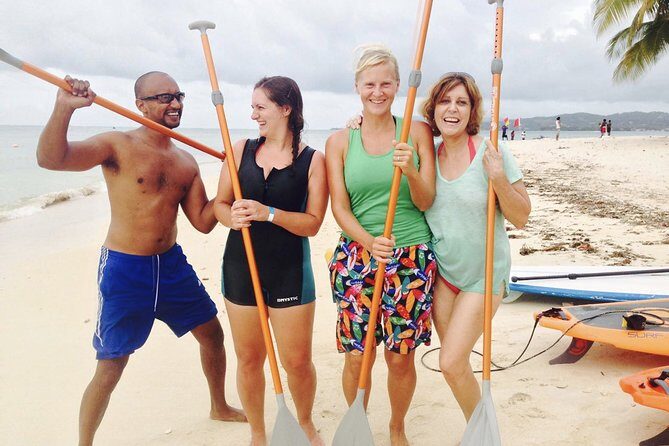
You start at Radical Sports Tobago, Pigeon Point Rd. The activity ends back at the same meeting point, so you’re not dealing with a complicated pickup-dropoff.
It’s also near public transportation, which I genuinely appreciate for a beach activity. SUP lessons are easy to mess up logistically—late taxis, hard-to-find drivers, awkward timelines. Here, the meeting spot is set up so you’re more likely to arrive without stress.
If you’re staying in the Pigeon Point area, this setup makes the whole thing feel straightforward: you show up, you gear up, you learn, and you’re back before the afternoon gets too wild.
Duane’s coaching style: how beginners actually get comfortable
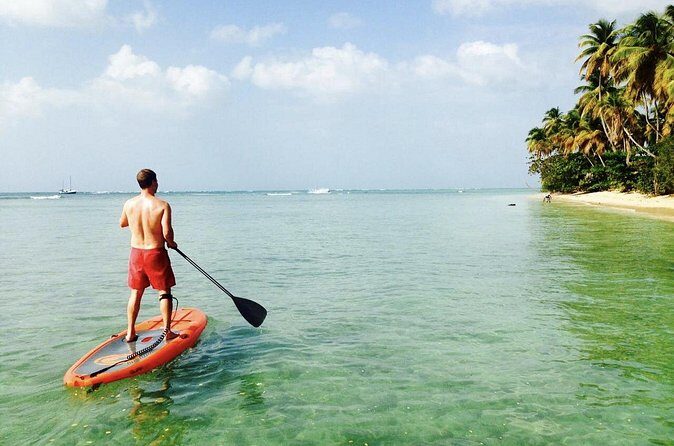
The standout strength here is the instruction. People repeatedly describe Duane as patient and effective, with a teaching style that’s calm instead of intense. That matters because SUP can feel intimidating at first—especially if your balance feels “new” in saltwater.
A pattern shows up across many people’s experiences: you learn quickly enough to stand within the session, not after. That’s the difference between a guided walk-on and a real lesson. The goal isn’t just to keep you afloat; it’s to give you enough technique to enjoy your paddle.
You’ll also get island context from the guide along the way. Some guests mention chatting during the return about Tobago and other watersports, and that friendly flow can make the experience feel local rather than transactional.
This is a private tour/activity for your group. That means you’re more likely to get direct feedback and not get stuck waiting for the instructor to cycle through a long lineup.
What you’ll experience on the water: balance, turns, and real coastal views
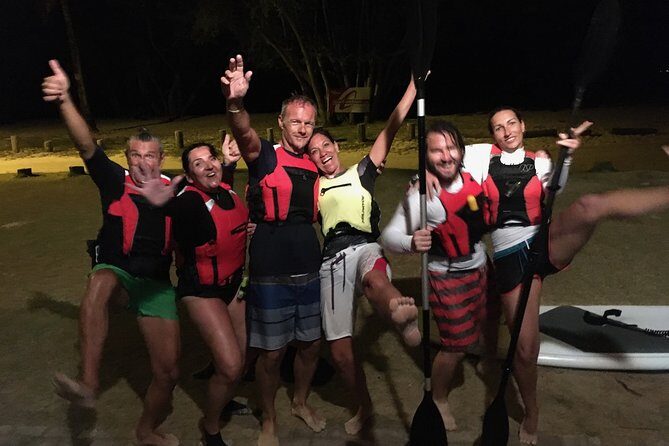
Once you’re out there, the water becomes your teacher. The board moves, your body adjusts, and your technique starts to make sense. Your job is simple: keep your balance, keep your paddle stroke steady, and follow the instructor’s cues.
Even if you’re completely new, you can expect to work on control. People have shared that Duane teaches turning techniques—several different ways to change direction—so you’re not stuck going in one direction the whole time. For first-timers, learning turns early is huge. It turns SUP from a survival skill into an actual activity you can steer.
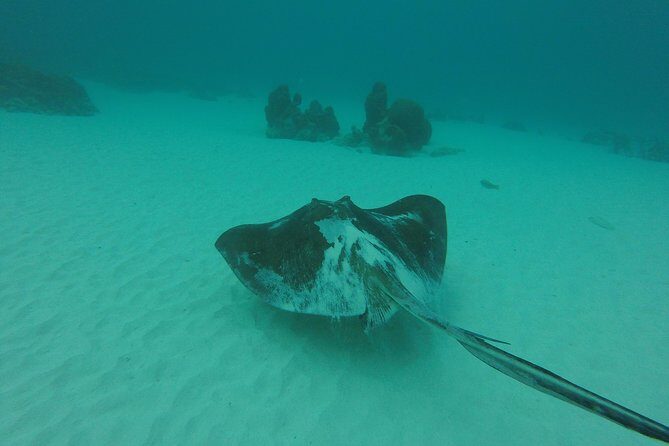
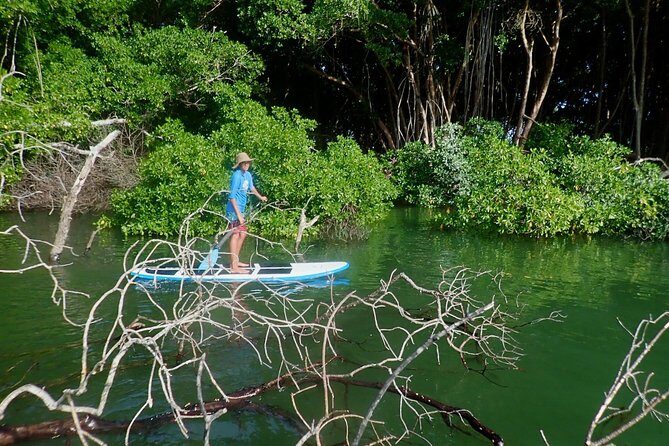
Now for the scenery and wildlife side: you may see marine life while you paddle. Guests often mention turtles and stingrays, and the broader ecosystem knowledge is part of the experience. The important word is may. Water conditions and where you paddle can change what you notice in real time.
If you want a quick practical mental note: watch your footing and where you’re likely to fall. One guest mentioned that conditions and timing (like tide levels) can affect how risky it is if you stumble—coral matters. The good news is you’re not guessing alone; you’re being guided by someone who understands the local conditions.


Is it worth $61.54? A value check for beginners
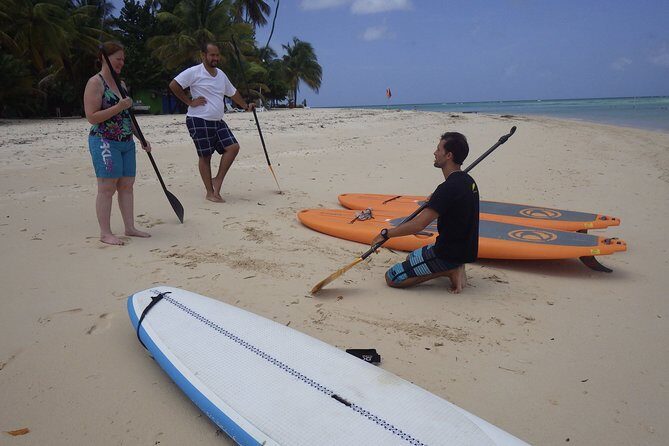
At $61.54 per person, you’re paying for a guided learning session that includes instruction plus time in the water. That’s not just “board rental,” and it’s not just a quick photo op on the beach.
Here’s how I think about value on SUP lessons:
- You’re buying the fastest path to standing and paddling without building bad habits.
- You’re buying the teacher’s attention, especially since it’s private for your group.
- You’re buying a setting that pairs coastal views with time to practice.
Also, the experience is about one hour, which means you’re getting a meaningful chunk of activity without needing a whole day off your itinerary. If you’re visiting Tobago and want one “learn something” adventure that still feels scenic, this hits a good middle ground.
One more detail: people often book these sessions a few weeks in advance. That doesn’t mean you must plan months ahead, but it does suggest this is a popular, easy add-on for visitors who are staying near Pigeon Point.
Who this SUP lesson is best for
This lesson is a strong fit if you’re:
- New to SUP and want coaching that gets you standing fast
- Solo and want an activity that feels welcoming (many people describe it as a good solo travel choice)
- A couple or small group that prefers learning with your own group only
- Families, including kids who can follow simple instructions and handle being in the water for the session length
It’s also meant for people with moderate physical fitness. That doesn’t mean you need to be an athlete—it means you should be comfortable standing, balancing, and paddling for the session.
If you’re hoping for a long, far-reaching expedition, this one-hour format may feel short. But if your goal is learning the basics and leaving the session feeling capable, it’s exactly the right length.
Making the most of your lesson (without overthinking it)
Your biggest win comes from treating the first few minutes like training, not a performance. When you’re learning to balance, small adjustments matter more than trying to force big power strokes.
Here are a few ways to keep the experience enjoyable:
- Listen carefully during the land instruction. Even basic cues will help once you’re on the board.
- Paddle with patience. If you rush, you tend to wobble. Slow steadiness usually wins early.
- Take turning practice seriously. Once you can turn, your whole paddle starts to feel fun.
- If you get tired, that’s normal. The plan includes the option for the short coastal paddle only if you’re feeling up to it.
And because it’s Duane leading the session, you’re not stuck guessing. Guests describe him as professional, attentive, and comfortable teaching a range of skill levels.
Want more Tobago from the same paddle experience?
This particular booking is a stand-up paddle lesson, but the operator behind it runs other SUP-style outings that guests mention—like Nylon Pool-focused trips and even bioluminescence nights. If you fall in love with the board and want more variety after your first lesson, you’ll likely see those options available around the same area.
That’s a nice approach: learn the foundation here, then choose the longer or more specialized outings once you trust your balance.
Should you book this stand-up paddle lesson in Tobago?
Book it if you want a real beginner-friendly SUP experience with coaching that keeps things calm and practical. It’s well-paced for people who are short on time, it’s structured for learning (land first, then water), and it’s set up for a smooth meetup near public transport at Pigeon Point.
Skip or consider alternatives if you’re looking for a long multi-hour adventure right from day one. This is about learning and then getting a taste of coastal paddling, not a full-day excursion.
If you’re the kind of traveler who likes skills you can actually use again—turning, controlling direction, and feeling steady on the water—this lesson is an excellent place to start.