REVIEW · TRINIDAD
Caroni Bird Sanctuary Tour
Book on Viator →Operated by @losexploradorestt · Bookable on Viator
Scarlet ibis at dusk is pure Trinidad. On a Caroni Bird Sanctuary half-day trip, you’ll cruise mangrove swamps with a guide who helps you spot birds (especially the scarlet ibis) and other wildlife along the way. It’s wildlife watching that feels calm at first, then suddenly red birds start doing red-bird things.
What I like most is how the tour mixes hotel pickup with time on the water, so you spend less time herding yourself around town. I also like the guide focus—when Dominic (and sometimes Sharon) is pointing things out, you actually know what you’re looking at, from bird behavior to the swamp ecosystem.
One drawback to plan around: the timing before boarding can feel long. If you’re sensitive to waiting around in the heat, bring patience (and sunscreen).
In This Review
- Key things to know before you go
- Caroni Swamp at Golden Hour: what you’re really seeing
- Transfers, private guide, and the 4-hour rhythm
- Flat-bottom boat through mangroves: how the wildlife spotting works
- The scarlet ibis finale: why the last stretch feels special
- What to pack for a mangrove afternoon (and why it matters)
- Price and value: is $75 per person fair?
- Who this tour suits best (and who should be cautious)
- Should you book the Caroni Bird Sanctuary tour?
- FAQ
- What time does the tour start?
- How long is the Caroni Bird Sanctuary tour?
- How much does it cost?
- Does the tour include hotel pickup or transfers?
- What’s included, and what’s not?
- What animals and birds can I expect to see?
- What happens if weather is bad?
Key things to know before you go
- Private guide feel: you’re not just dumped into a crowd with a pamphlet
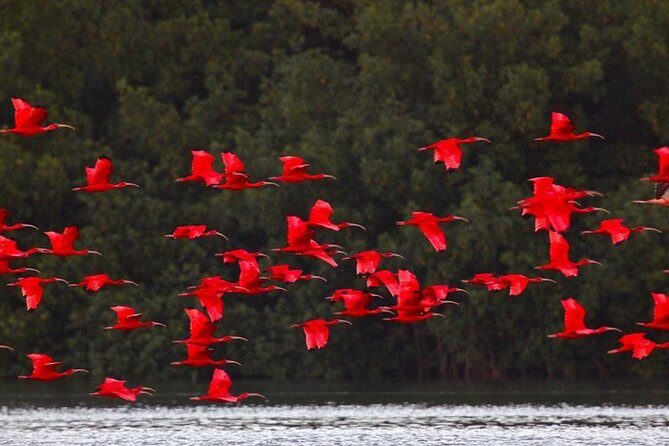
- Scarlet ibis at sunset: the highlight is the arrival timing and roosting scene
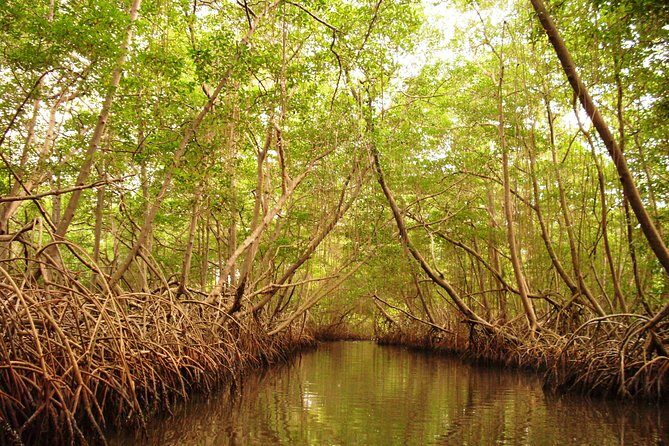
- Mangrove boat cruise: flat-bottom boats move through narrow swamp channels
- Expect more than birds: caimans show up, and you may spot other animals too
- Pack for the outdoors: heat and insects are real even when the ride is scenic
Caroni Swamp at Golden Hour: what you’re really seeing
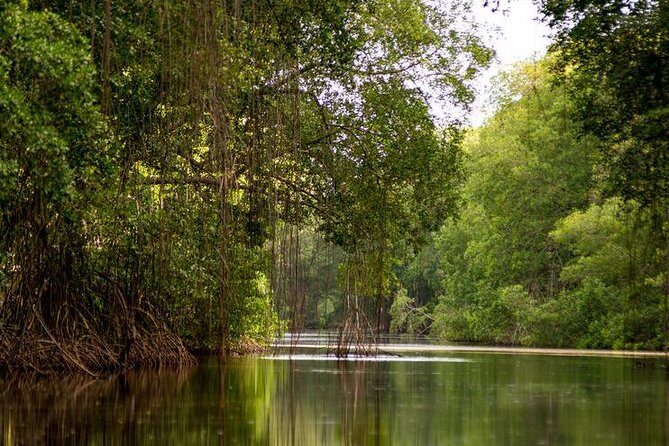
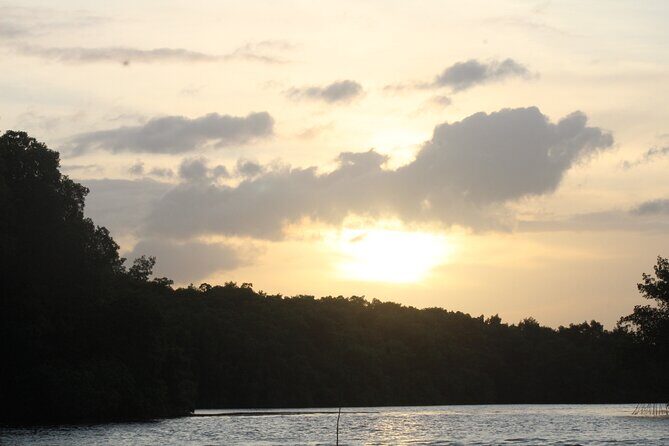
Caroni Swamp is one of those places where the scenery is pretty, but the real point is wildlife behavior. The mangroves create a maze of roots, shallow water, and sheltered channels. That’s why the birds feed, rest, and nest here—food and cover in the same tight space.
The tour runs in the afternoon, with a start time of 3:00 pm, and the timing matters. Late day in the tropics is when the swamp starts to feel busy. You’ll be watching birds spread out across trees and waterways, and then—near the end—you shift into the scarlet ibis “show” window. Several guides across Trinidad know how to time this moment, and the tour’s structure is built around it.
Even if you’re not a hardcore birder, you’ll get something out of the explanations. You learn why mangroves matter and how the ecosystem supports the species you came for. It turns a scenic boat ride into something you can actually understand while you’re standing there in the open air.
You can also read our reviews of more tours and experiences in Trinidad.


Transfers, private guide, and the 4-hour rhythm
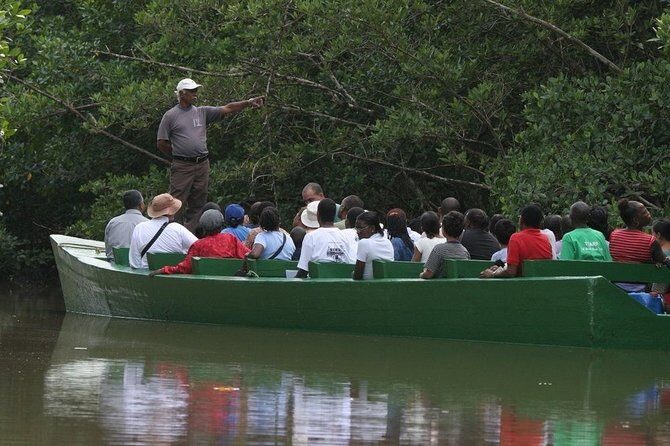
This is a half-day tour—about 4 hours total—with round-trip hotel transfers included. That part is big value in Trinidad. It saves you from guessing schedules, negotiating taxis, and trying to get to the right dock at the right time.
The tour is capped at up to 20 travelers, which keeps the group easier to manage. It also helps with spotting; if everyone stands in the same place and looks the same direction, your odds drop. With a smaller group, your guide can reposition you for better views—especially when birds fly in and out of the mangrove canopy.
The guide also matters. Dominic is repeatedly praised for being friendly, attentive, and giving clear information. In at least one case, the guide support included Spanish speakers. If you want a nature trip that doesn’t require you to already know bird names, this kind of interpretation is the point.
One practical note: some people felt the pre-boarding wait time was too long. That doesn’t ruin the trip, but it does change your mental game. Treat it like part of the day’s pacing, not like a quick check-in before the fun.
Flat-bottom boat through mangroves: how the wildlife spotting works
Your main activity is a boat cruise through Caroni Swamp lagoons and mangroves. Boats are flat-bottomed, built for these shallow, root-heavy channels. That shape also means you move slowly enough to watch—then pause enough for your guide to call out what’s worth your eyes.
Here’s what you can realistically aim your attention at:
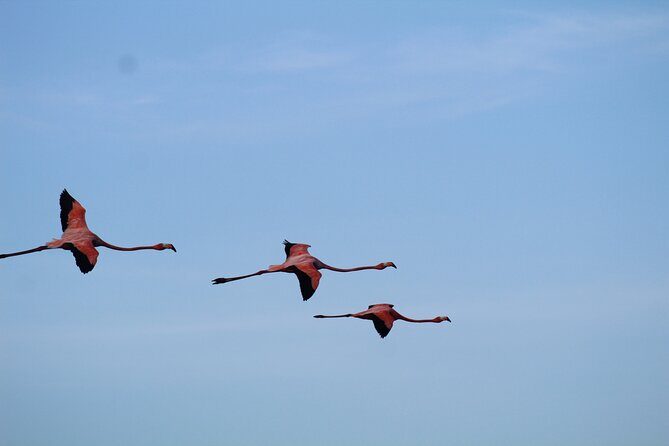
- Scarlet ibis sightings in trees and in flight
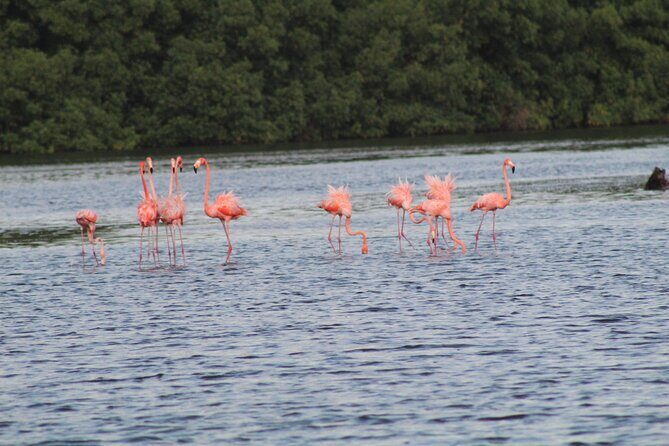
- Flamingos (some trips have them in view during the ride and/or sanctuary area)
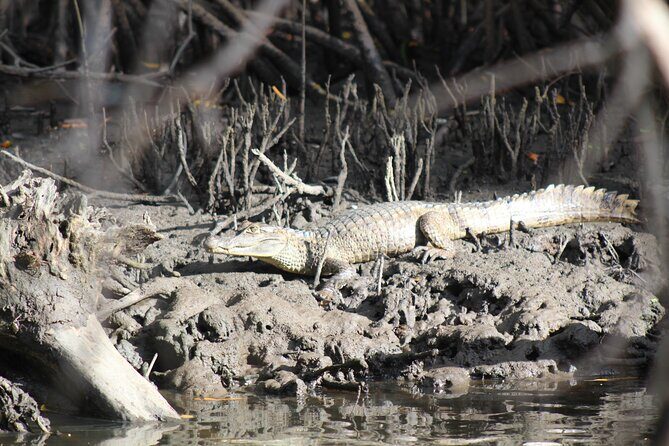
- Caimans in the water
- Silky anteaters are mentioned as a possible wildlife encounter
- Other smaller swamp life like crabs and fish in the habitat
The “how” is as important as the “what.” Mangrove birding isn’t like standing in a field with a clear view. Birds can be far away and partially hidden by branches and roots. One practical tip from past experience: bring binoculars if you have them. You’ll notice more wing movement, perching spots, and small changes in position.
Also, don’t expect every animal to pose for photos. With mangroves, the best moments can be short: a bird lifts off, circles once, then settles again. When the guide helps you track those movements, the trip feels productive instead of random.
One more thing: shallow water and wildlife around it can feel a little intense. At least one review mentions the sense of danger when moving through groves with snakes in the trees and crocodiles in the water. You don’t need to panic—just keep your footing steady, listen to your captain/guide, and remember you’re in real habitat, not a zoo.
The scarlet ibis finale: why the last stretch feels special
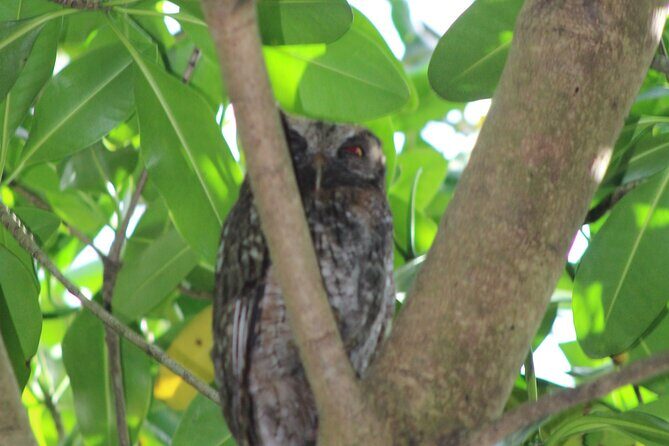
The scarlet ibis is the headline species, but the reason it becomes unforgettable is timing. The tour’s structure builds toward the period when ibis start arriving to roosting locations for the evening. This isn’t just “we saw one bird.” It’s more like a whole process unfolding.
During that finale, you may get a stationary viewing period where you watch birds come in gradually—small groups first, then bigger waves. One highlighted point from the experience: there’s often a moment when hundreds of scarlet ibis gather and fly across the estuary toward surrounding trees. If you’ve ever tried to photograph birds in flight and felt like the timing was always wrong, this is the part that makes the day worth it.
And yes, it’s red-on-green magic in the air. The mangroves make the birds look even brighter because the background stays dark and textured. You don’t control the birds, but you control your patience—and the tour does the hard work of positioning you for that moment.
If you’re traveling with family or someone who’s not into “long hikes” or “all-day bus tours,” this finale format works well. It’s mostly seated or slow-standing viewing, with the best action clustered near the end instead of stretched thin across hours.
What to pack for a mangrove afternoon (and why it matters)
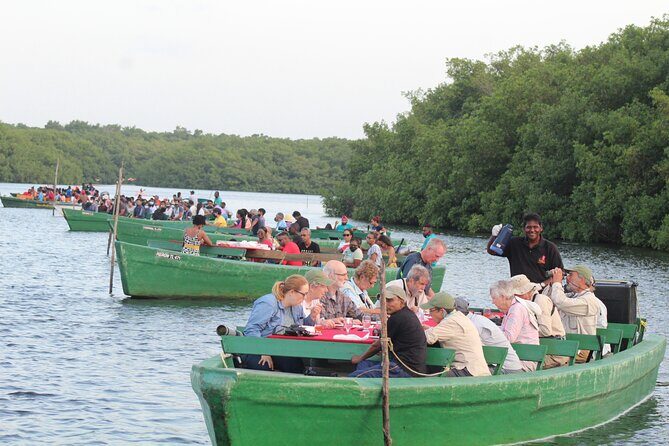
This is an outdoor, water-adjacent outing with sun, heat, and insects in play. Pack like you’re going to spend hours near tropical water, not like you’re going to a museum.
Bring:
- Hat for sun (heat can be intense)
- Sunscreen
- Insect repellent
- Binoculars if you have them (birds can be far away)
- Light layer in case the evening gets breezy
You’ll have bottled water included, which is a relief. Lunch isn’t included, so plan a meal before the tour or expect that you’ll be hungry afterward. If you rely on snacks, bring something small with you. One past guest noted a small snack availability, but the only guaranteed inclusion listed is bottled water.
Footwear matters too. The environment includes shallow water and dock-adjacent steps. You’ll be happier with shoes you don’t mind getting damp. Also, keep your camera strap short-ish so it doesn’t swing when you turn to track birds.



Price and value: is $75 per person fair?
At $75 per person, this tour isn’t the cheapest thing in Trinidad. But it’s not overpriced if you think about what’s included and what it saves you.
You’re paying for:
- A guided wildlife experience
- Admission ticket included
- Hotel pickup and round-trip transfers
- Bottled water
- Time in the swamp during the key bird window
The real value comes from the “friction” removed. If you try to DIY Caroni on your own, you still need the right timing, the right boat access, and someone who can help you identify what you’re seeing. A guide is what turns “I saw red birds” into “I understand why they’re here and when they’ll show up.”
That said, there’s one fair warning based on experience: if your expectations are that you’ll always get close-up views of everything, mangroves can humble even the best plans. The tour does its part, but wildlife decides the show. If you can roll with that, the $75 feels reasonable for the access and structure you get.
If you’re trying to optimize costs, compare options that include transfers. In many places, transportation is where DIY plans quietly eat your savings.
Who this tour suits best (and who should be cautious)
I’d point this tour at a few types of travelers:
- Nature lovers who like birds, even if they’re not experts
- People who want a short, high-impact day instead of an all-day slog
- Travelers who appreciate a guide that explains the swamp ecosystem and not just bird names
- Families and mixed-age groups, because the pacing is manageable
You might want to think twice if you:
- Struggle with waiting in the heat before boarding
- Hate insect-heavy outdoor conditions
- Get uneasy around wildlife in natural habitat settings (like snakes or crocodian presence mentioned by past guests)
If you’re a photo person, you’ll like the red ibis focus—just remember your photos will often depend on spotting patterns and bird flight timing, not guaranteed close range. Bring the gear, but also bring flexibility.
Should you book the Caroni Bird Sanctuary tour?
Yes, if you want a clear, timed reason to be in Caroni Swamp at the right moment. The scarlet ibis viewing window is the main event, and the trip is structured around that payoff. Add hotel transfers, a guide with strong on-the-ground interpretation, and a boat route through mangroves, and you’ve got a solid half-day wildlife plan.
Book it if you can handle waiting a bit before boarding and you pack for the outdoors. If you’re the type who needs instant action every minute, you may find the pacing less thrilling at the start. But when the ibis arrive, it’s the kind of wildlife moment that makes you forgive the rest of the day.
FAQ
What time does the tour start?
The tour starts at 3:00 pm.
How long is the Caroni Bird Sanctuary tour?
Plan for about 4 hours (approx.).
How much does it cost?
It’s $75.00 per person.
Does the tour include hotel pickup or transfers?
Yes. Pickup is offered, with round-trip transfers from your hotel.
What’s included, and what’s not?
Included items: bottled water and admission ticket. Not included: lunch.
What animals and birds can I expect to see?
You can look for scarlet ibis, flamingos, and other wildlife such as caimans and silky anteaters, plus additional swamp creatures.
What happens if weather is bad?
This experience requires good weather. If it’s canceled due to poor weather, you’ll be offered a different date or a full refund.