REVIEW · TOBAGO
Fly Fishing Tour
Book on Viator →Operated by Fish Tobago Tours · Bookable on Viator
Saltwater fly-fishing in Tobago feels built for people who like action on a line. This charter focuses on stalking big saltwater fish in the Buccoo area, with guides who push hard to get you to productive spots. I especially like the clear target list—bonefish, permit, tarpon and more—because it helps you understand what the trip is really about.
I also like the practical touches that keep the day comfortable: drinks on the boat, plus water and fresh fruit if you want it. One thing to consider: this is non-refundable even if you need to change plans, so make sure your timing in Tobago is solid before you lock it in.
In This Review
- Key highlights to know before you go
- Saltwater Fly-Fishing Off Buccoo Point: What You’re Signing Up For
- Your 3.5 Hours: Fishing Windows That Fit Real Days
- Meeting at Buccoo Integrated Facility and Fishing Around Buccoo Reef
- The Species List: Bonefish, Permit, Tarpon, and What You Might Actually Hook
- On the Water Tactics You’ll See During the Day
- Captain Bruce and Brandon: The Local Skill Factor
- Boat Setup: Casting Comfort and Why It Matters for Fly Fishing
- Water, Heat, and Small Comforts That Save Your Day
- Price and Value: Is $360 per Person Fair?
- Weather and Wind: How the Day Can Change (and How That Helps You)
- What This Trip Is Best For (and Who Might Be Happier Elsewhere)
- Should You Book This Fly Fishing Tour in Tobago?
- FAQ
- How long is the fly fishing tour?
- Where does the tour start and end?
- What fishing areas are involved?
- What species can you target on this trip?
- Is pickup available?
- Is this tour private or shared?
- What is the cancellation/change policy?
Key highlights to know before you go
- Private charter feel: only your group participates, so you get more attention from the guide.
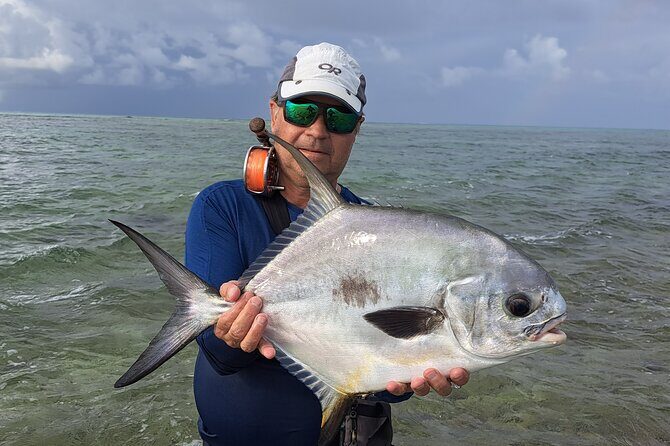
- Action-first target species: bonefish, permit, palometo, snook, tarpon, and bar jacks.
- Buccoo Point as your base: start at the Buccoo Integrated Facility area and fish around Buccoo Reef.
- Guides with local hustle: Captain Bruce and Brandon are praised for finding fish and adjusting fast.
- Comfort in hot conditions: water, drinks, and fresh fruit help on a sunny coast.
Saltwater Fly-Fishing Off Buccoo Point: What You’re Signing Up For
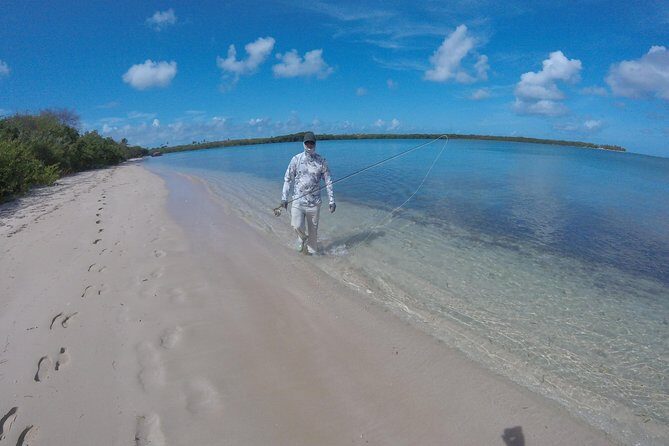
This is a saltwater fly-fishing tour in Tobago, built around the idea that you’ll actually fish with your fly rod off real local water, not just “try your luck” from one spot. The tour area centers on Buccoo Point and Buccoo Reef, then the day typically plays out across nearby water types depending on what the fish are doing.
You’re going for species that tend to respond to skill, timing, and the right approach. Expect the captain to aim at fish like bonefish and permit (often associated with flats), plus the chance for tarpon and other gamefish that can appear when the water and conditions line up.
The vibe is simple: cast, reposition, repeat. That’s why this experience gets such strong marks—when you’re paying for a guided charter, you want effort and strategy, not just a boat ride.
A few more Tobago tours and experiences worth a look
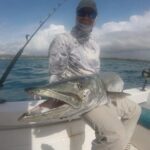
Your 3.5 Hours: Fishing Windows That Fit Real Days
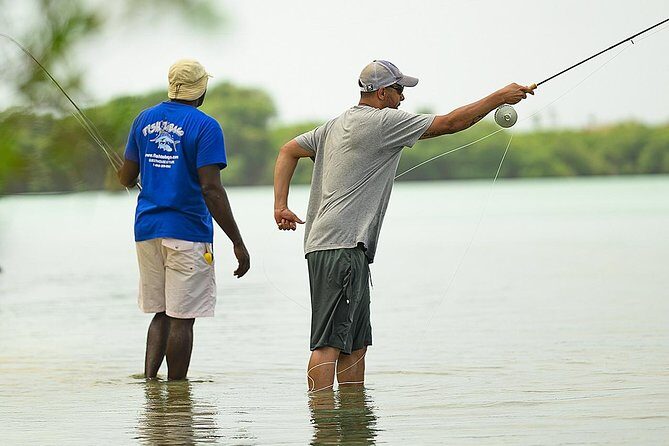
The tour runs about 3 hours 30 minutes. That length is long enough to make the day feel meaningful, but short enough that you can pair it with other Tobago plans the same trip—like a beach stop or an evening meal back on land.
Timing matters here because saltwater fly fishing is reactive. The posted windows are Monday–Friday, with sessions around 6:00–10:00 AM and 2:00–6:00 PM. If you’re choosing between them, mornings often align with calmer light and conditions, while afternoons can bring a different rhythm to how fish move and feed.
If you’re the type who hates guessing and wants a schedule, this structure helps you plan. You also return to the same meeting point, so you’re not left figuring out transport at the end.
Meeting at Buccoo Integrated Facility and Fishing Around Buccoo Reef
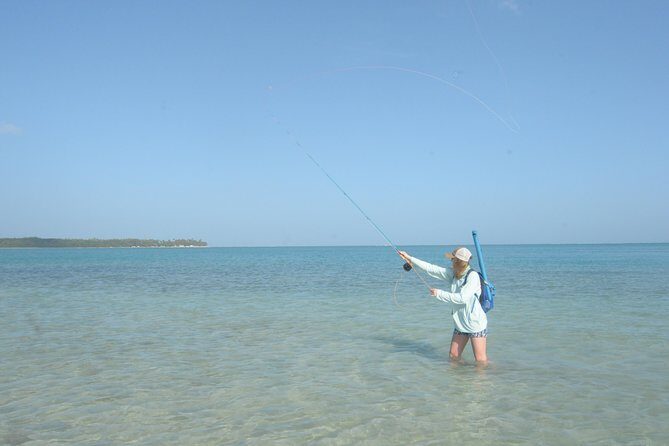
You start at Fish Tobago Tours Fly Fishing Charters at Buccoo Integrated Facility, Buccoo Point. The ticket redemption point is listed as Buccoo Reef, which is a hint that your fishing grounds are centered around the reef system right off this coast.
What’s useful for you here is the flow: meet up, get oriented quickly, then get on the water. The tour is private, so you’re not sharing your guide’s time with strangers who wander off and slow things down. In a sport where casting time matters, that focus is a big deal.
Also, the meeting area is marked as near public transportation, which can matter if you’re not hiring a private car just for this activity. If you’re traveling with friends, check how you’ll regroup afterward so everyone ends up back at the meeting point smoothly.
The Species List: Bonefish, Permit, Tarpon, and What You Might Actually Hook
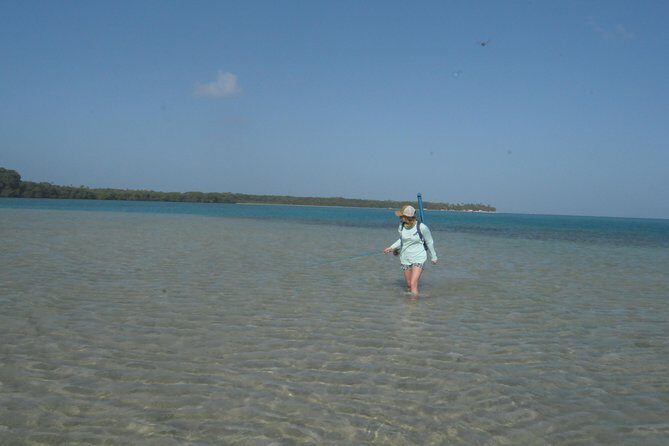
The tour’s target list is impressively specific. The most commonly mentioned fish include:
- Bonefish
- Permit
- Palometo
- Snook
- Tarpon
- Bar jacks
That matters because fly-fishing success depends on knowing what you’re pursuing. Bonefish are often tied to shallow, clear water where you can sight fish and make careful casts. Permit tend to require patience and precision—getting the fly to the right spot without spooking the fish.
Tarpon are a different kind of challenge. They can create that wow moment when they rise and fight, and they can show up in places like mangroves or along edges where currents bring bait. One review specifically highlights a tarpon action close to shore and a catch-and-release moment, which tells you the day can be thrilling even if conditions force quick shifts.
You’ll also be set up for variety. Some experiences in the region include trolling or fishing different water types when the flats aren’t cooperating. The result is that you’re not stuck praying for one species all day—you have options.
On the Water Tactics You’ll See During the Day
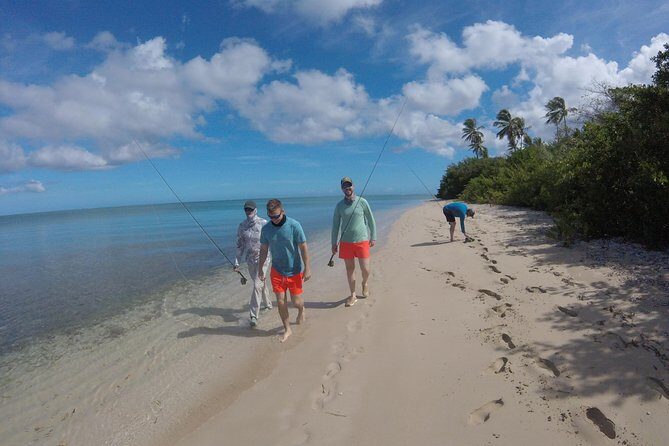
What makes a guided fly-fishing trip worth your money is not the equipment. It’s the strategy: where you go, why you go there, and how you adapt when the water changes.
From the descriptions tied to this charter, I’d expect the guide to move between different water setups as conditions shift. For example:
- When the flats feel tough, the plan can include fishing a lagoon.
- When fish are active around shelter, the guide may target mangroves for tarpon-style situations.
- If reef action is pushing bait or creating food in the wash, you may hear about tactics near reef breaks.
This is why you want a guide who’s not just casting along with you. Captain Bruce and Brandon are repeatedly praised for knowing where fish are and how fish behave at different times. That means fewer wasted casts and more time where the fish are actually reachable.
One practical takeaway: be ready to learn mid-day. If the fishing plan changes because wind kicks up or bait moves, don’t freeze. Salty water fly fishing rewards people who stay calm, listen fast, and reset their casting.
Captain Bruce and Brandon: The Local Skill Factor
This charter is associated with two named guides in the feedback: Captain Bruce and Brandon. Both are described as high-energy and dedicated to getting you into fish.
Here’s what that dedication looks like in plain terms:
- The guide works to find fish and keeps looking when one spot slows down.
- They coach tactics for what you’re trying to catch, not just generic casting tips.
- They adapt the plan when the day doesn’t go exactly as expected.
One review gives a clear example of impact: the guide adjusted where they fished depending on wind and conditions, including lagoon fishing when flats were harder. Another review points to Brandon’s enthusiasm and local knowledge, describing a day with permit, tarpon, and bonefish chances across different areas.
Even if you’re experienced, it’s still smart to treat a guide as a translator. Local guides don’t just know fish—they know the angles, the timing, and how to read water that looks similar until you’ve seen it a lot.
Boat Setup: Casting Comfort and Why It Matters for Fly Fishing
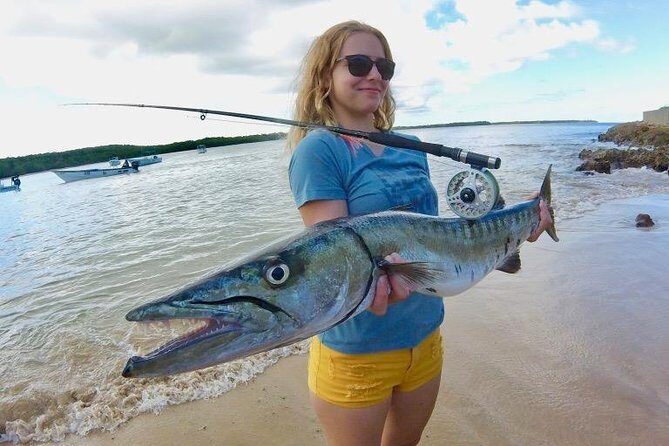
Fly rods are only as good as your ability to cast without fighting the boat. The setup here matters because you’re often fishing from a boat where position, stability, and access to lines can make or break your chances.
The feedback repeatedly calls the boat a strong platform for fly fishing, and people mention how the day is built around actually casting into productive water. If you’ve done fly fishing from shore, you know the difference: you get close enough to target fish, but you’re also managing wind, glare, and casting lane.
You’ll likely spend enough time on the water that comfort is not a luxury. When the boat is friendly for casting, you get more usable shots, fewer tangled moments, and better chances at fish that are wary.
Water, Heat, and Small Comforts That Save Your Day
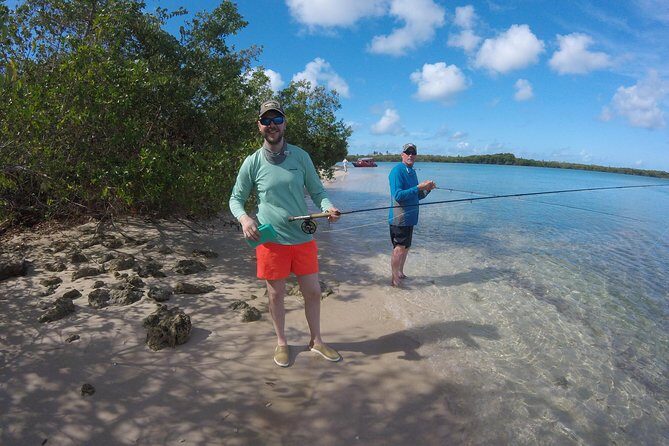
Tobago can be hot, and saltwater days can be sweaty work, especially when you’re standing, casting, and moving between spots. This charter’s comfort details are easy but important: drinks on the boat, and water plus fresh fruit is offered if you like it.
I like this kind of realism. You don’t want a “bring your own everything” situation on a charter priced for guided fishing. You’re paying for the local expertise, the boat access, and the fish-finding effort, so getting hydration handled helps you focus.
Practical move for you: still bring sun protection and be ready for strong light on the water. Even with water provided, you’ll feel better if you’re prepared for long exposures.
Price and Value: Is $360 per Person Fair?
At $360 per person, this isn’t a budget activity. It’s priced like a serious guided saltwater fly-fishing charter. So the real question isn’t whether the price is high—it’s whether you get enough guided value for it.
Here’s why it can feel fair:
- It’s a private tour/activity, so your group gets the guide attention without sharing time with others.
- The tour targets multiple gamefish types, not just one “try for a little bit” plan.
- The guide effort shows up in the feedback: finding fish, adjusting tactics, and keeping the day productive.
You also have to factor what saltwater fly fishing normally costs when you add boat access, local expertise, and time on the water. With a 3.5-hour session, you’re not paying for an all-day trip, and you’re not stuck in a short, underwhelming window either.
One caution: the experience is non-refundable and cannot be changed for any reason. That means you should treat booking as a commitment to your schedule.
If you’re someone who values instruction, local strategy, and the chance to hook big fish, this price can make sense. If you’re looking for casual fishing with low expectations, you might feel it’s more than you need.
Weather and Wind: How the Day Can Change (and How That Helps You)
Saltwater fishing is weather-sensitive. Wind affects visibility, casting angles, and how fish feed. One of the best signs here is that the guide approach includes adaptation.
In the descriptions tied to this charter, there’s an example of using a lagoon when it was windy on the flats. That tells you the trip isn’t rigid. The guide’s job is to put you in situations where fish are reachable, even if the original plan gets disrupted.
So what should you do as the customer?
- Dress for sudden changes (sun to breeze).
- Be flexible about where you fish.
- Treat plan shifts as part of the sport, not as failure.
When a guide responds to conditions with a new fishing plan, you usually end up with a better day than the people who insist on fishing one spot no matter what.
What This Trip Is Best For (and Who Might Be Happier Elsewhere)
This tour is described as private and “most travelers can participate.” That combination suggests it’s accessible, but it’s still a fly-fishing experience in saltwater—so you’ll get the most out of it if you’re comfortable with the basics of casting and moving around the boat.
You’ll likely love it if:
- You want a focused 3.5-hour session rather than a full-day expedition.
- You’re aiming for species like permit and bonefish, where guide strategy really matters.
- You enjoy learning tactics and adjusting with the captain.
You might be less thrilled if:
- You’re looking for a purely scenic experience rather than targeted fishing.
- Your schedule is fragile, since changes and refunds aren’t offered once booked.
If you want a serious shot at big saltwater fly-fishing in the Buccoo area, this is the kind of charter that matches that goal.
Should You Book This Fly Fishing Tour in Tobago?
Book it if you care about the work behind the catch: a guide who hunts down fish, helps you cast effectively, and shifts tactics when conditions change. The strong emphasis on bonefish, permit, tarpon, plus the repeated mention of guides like Captain Bruce and Brandon, points to a trip that tries to deliver real fishing—fast.
Hold off if your dates are uncertain, because the purchase is non-refundable and can’t be changed. Also, if you’re not really into fly fishing and just want a gentle cruise, this one may feel too mission-driven.
If your goal is simple—cast a fly in Tobago’s saltwater and see what bites—Fish Tobago Tours sets you up for that with the right base at Buccoo and a day designed around fish-finding effort.
FAQ
How long is the fly fishing tour?
The tour lasts about 3 hours 30 minutes (approx.).
Where does the tour start and end?
It starts at Fish Tobago Tours Fly Fishing Charters Fishing Trips #2 at Buccoo Integrated Facility, Buccoo Point, Trinidad and Tobago, and it ends back at the meeting point.
What fishing areas are involved?
The ticket redemption point is Buccoo Reef, and the tour focuses on fly fishing in the Buccoo area.
What species can you target on this trip?
The most common fish mentioned include bonefish, permit, palometo, snook, tarpon, and bar jacks.
Is pickup available?
Pickup is offered.
Is this tour private or shared?
This is a private tour/activity, so only your group will participate.
What is the cancellation/change policy?
The experience is non-refundable and cannot be changed for any reason. If you cancel or request an amendment, the amount you paid will not be refunded.