REVIEW · TRINIDAD
Guided Day Tour at Lopinot Plantation Estate
Book on Viator →Operated by @losexploradorestt · Bookable on Viator
Chocolate and caves, in one Trinidad day. I love meeting Mr. Martin Gomez and seeing how cocoa-and-coffee history turns into a hands-on bean-to-bar chocolate demonstration. I also like the mix of old trees, medicinal plants, and the Heart Shape Cave adventure. One heads-up: the cave portion can feel cramped, and you may encounter small critters, so this isn’t ideal if you hate tight spaces.
This is a full-on Trinidad flavor tour that moves beyond tasting. At Lopinot, you’ll get a guided cocoa dancing tour and learn the steps behind chocolate, then you’ll have time to buy 65% dark chocolate plus local fruits, spices, and nut cakes. After that, you continue to the Cooper Estate for a look at a 100-year-old tree, medicinal plants, and local fauna—then you head into the cave chambers.
Plan on about 6 hours 30 minutes total, including travel time, with a small group capped at 20. I like that hotel pickup and drop-off are included (for most Port of Spain hotel locations), and water is provided. Wear sneakers and light clothing, because this isn’t a sit-and-sip kind of day.
In This Review
- Key highlights you’ll feel right away
- Why Lopinot and Cooper make this more than a chocolate tasting
- Lopinot Plantation Estate with Mr. Martin Gomez: cocoa, coffee, and a hands-on demo
- The chocolate you can buy: 65% dark, plus fruits, spices, and nut cakes
- Cooper Estate: a 100-year-old tree and medicinal plants you can actually see
- Heart Shape Cave: real chambers, small spaces, and critters
- Timing and group size: a 6.5-hour day that still moves
- Getting picked up in Port of Spain, plus the one possible extra taxi cost
- What to wear and bring (so the day feels easy)
- Price and value: what $180 buys you in Trinidad
- Who should book this tour, and who should think twice
- Should you book the guided day tour at Lopinot Plantation Estate?
- FAQ
- How long is the Guided Day Tour at Lopinot Plantation Estate?
- Is hotel pickup and drop-off included?
- Is there an extra cost for pickup outside Port of Spain City?
- What happens at the Lopinot part of the tour?
- Is the Heart Shape Cave tour suitable for everyone?
- How large is the group?
- What if the weather is poor or I need to cancel?
Key highlights you’ll feel right away
- Guided cocoa culture with Mr. Martin Gomez at the Count de Lopinot Plantation Estate
- Bean-to-bar chocolate demonstration with a focus on how it’s made
- Cooper Estate nature stops featuring a 100-year-old tree and medicinal plants
- Heart Shape Cave chambers for a real spelunking-style adventure
- Small groups (up to 20) keep the day from feeling rushed
Why Lopinot and Cooper make this more than a chocolate tasting
In Trinidad, it’s easy to find chocolate on menus. It’s harder to find chocolate with context—who grew it, how it’s processed, and what role the land and plants play in everyday life. This tour gives you that bigger picture, and it does it with an actual plantation setting plus a nature-and-cave finale.
I like the way the day is built in three distinct flavors: plantation storytelling, chocolate-making practice, then a walk through nature (and into a cave). That structure matters because it keeps your brain engaged. You’re not just hearing facts; you’re moving through the places those facts come from.
There’s also a practical advantage. Because the group is capped at 20 and the format is guided, you’re less likely to feel lost at each stop. You get a steady rhythm: arrive, learn, sample/browse, then move on.
You can also read our reviews of more tours and experiences in Trinidad.



Lopinot Plantation Estate with Mr. Martin Gomez: cocoa, coffee, and a hands-on demo
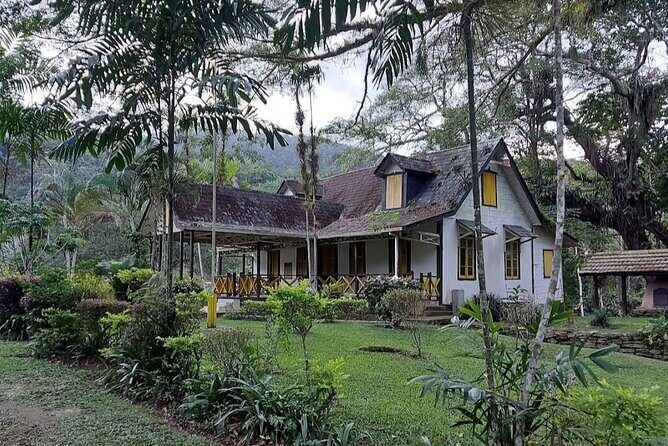
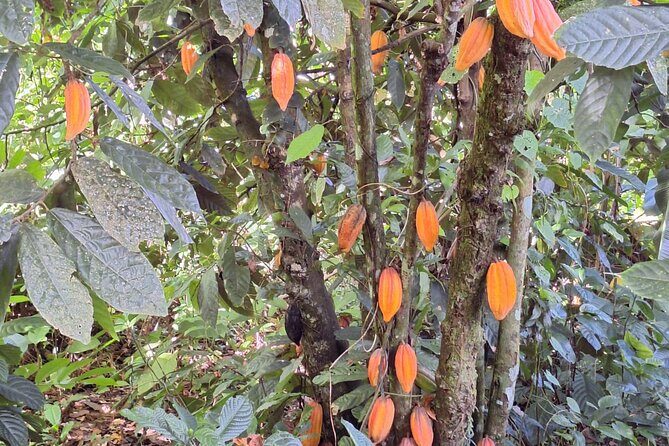
The morning starts at the Lopinot Complex at the Count de Lopinot Plantation Estate, where the focus is cocoa and coffee from the land’s past and present. You’ll meet the local legend Mr. Martin Gomez, and the visit is designed like a story you can follow with your feet.
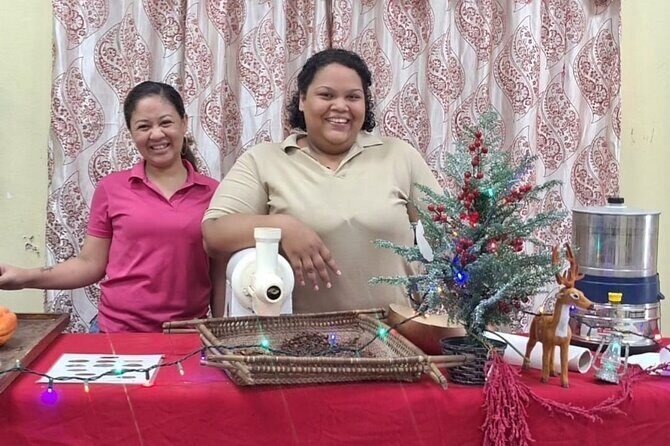
One of the best parts here is that the tour isn’t limited to looking at plants. You’ll take part in a cocoa dancing tour. It sounds playful—and it is—but it also functions like a learning tool. It puts you in the rhythm of the plantation’s culture instead of treating it like a museum.
Then you shift into the bean-to-bar chocolate demonstration. This is the core experience if you care about how chocolate goes from ingredient to product. You’ll see the process, not just the finished bars, and that helps when you later taste anything you buy. Even if you’re a casual chocolate fan, it’s the difference between liking chocolate and understanding what you’re tasting.
The chocolate you can buy: 65% dark, plus fruits, spices, and nut cakes

After the demonstration, you’ll have on-site opportunities to purchase chocolate and treats. The standout is the 65% dark chocolate, which you can buy there. You’ll also see local fruits and spices connected to the tasting experience, and you can pick up nut cakes.
A small detail, but it matters: the tour gives you a chance to buy, not just to look. If you’re the type who wants a couple of real souvenirs you’ll actually use, this is one of the safer bets in Trinidad. Chocolate travels better than many fresh foods, and buying on site means you can match what you learned with what you take home.
If you’re watching your budget, plan your purchases before you go too far in the day. The cave portion can make you hungry and tired, and it’s easy to overspend when you’re ready for a snack. A little “intentional browsing” at Lopinot helps.
Cooper Estate: a 100-year-old tree and medicinal plants you can actually see
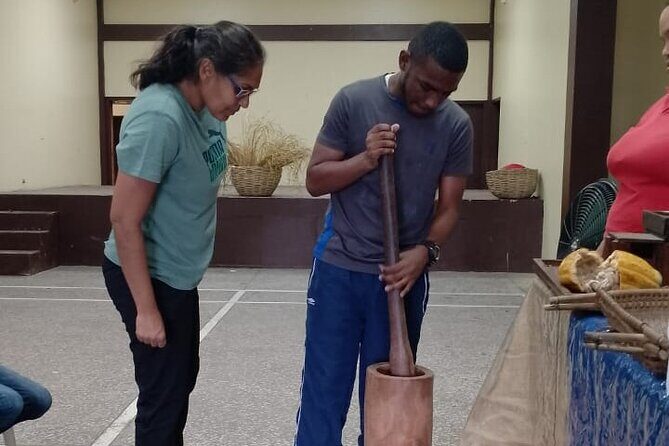
Next up is the Mr. Cyril Cooper Estate, where the focus turns toward plants and local knowledge. The headliners are a 100-year-old tree and medicinal plants, plus spices, fruits, and local fauna.
I like this stop because it changes the kind of learning you’re doing. At Lopinot, you’re mostly following a human process—how cocoa becomes chocolate. At Cooper Estate, you’re paying attention to how plants are used and noticed, and that makes the day feel more grounded.
You also get a sense of why the plantation theme fits Trinidad beyond just chocolate. Spices, fruits, and the living variety around you connect the whole outing. Even if you’re not trying to identify plants by name, you can still appreciate how the estate supports both food and tradition.
One practical thought: this part can involve walking around a natural setting. Go in with comfortable shoes, because you’ll want traction if the ground is uneven or slick after rain.
Heart Shape Cave: real chambers, small spaces, and critters
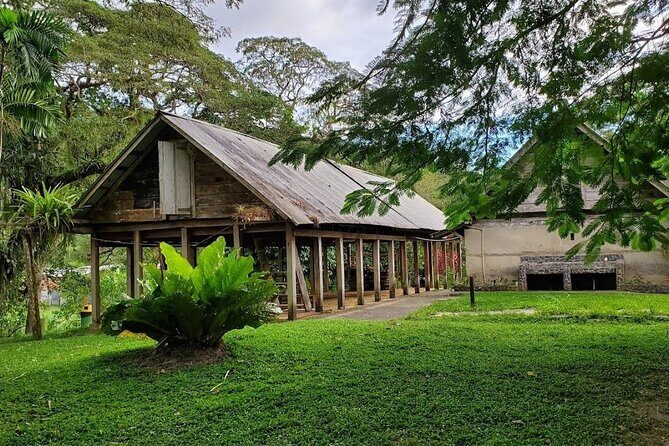
Then comes the adrenaline part: Martin Gomez Heart Shape Cave Tours. This is where the tour turns into spelunking-style exploration through the cave’s chambers.
Here’s the honest consideration: if you dislike cramped spaces or you’re uneasy around critters, this cave section may not be your happy place. The cave experience is not described as a gentle walk-through. It’s a guided exploration of the cave chambers, and that naturally brings you closer to cave environments where animals can show up.
On the flip side, if you enjoy caves, this is likely to feel memorable. Cave tours like this are about physical presence—cooler air, rock surfaces, and sudden changes in what you can see when the guide directs your attention.
Bring the right mindset. This isn’t just scenery. It’s a guided adventure through a cave system, and it’s best when you’re okay with being a bit uncomfortable for a short time. Wear sneakers (yes, again), because your feet will be doing more work than usual.





Timing and group size: a 6.5-hour day that still moves

The full experience runs about 6 hours 30 minutes, and travel time is included in that total. You’re not stuck on a bus all day, but you are moving between multiple stops: Lopinot Complex, Cooper Estate, and the cave tour.
Group size is capped at 20 travelers, which I appreciate. In a group that small, guides can usually keep an eye on the pace. It also tends to make questions easier—especially when you’re learning how cocoa becomes chocolate and why plants matter on an estate.
One pacing note: the plantation portion takes about 4 hours. That means most of your time at the start is learning and tasting/browsing. If you’re someone who wants the cave to be the main event, arrive ready to switch gears quickly after the chocolate demo.
Getting picked up in Port of Spain, plus the one possible extra taxi cost
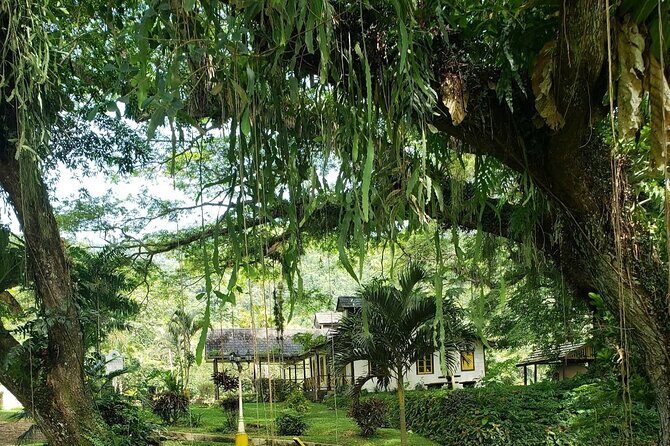
Hotel pickup and drop-off are included, and pickup is offered. That’s a real value point because Trinidad drives can add up in time and hassle.
Here’s the one cost wrinkle to know: if your hotel is outside Port of Spain City, there’s an additional $30 taxi driver cost paid directly to the taxi driver. If you’re staying outside the city center, it’s worth budgeting for that so there are no surprises on the day.
Because travel time is part of the total duration, you should also plan to be ready early at your pickup point. This is the kind of tour where arriving a few minutes late can ripple into the rest of the day, especially when the cave schedule is involved.
What to wear and bring (so the day feels easy)
You’re told to wear sneakers and light clothing. Take that seriously. Plantation paths and cave areas don’t fit well with flimsy soles or anything that slips.
Also pack for a real mix of settings: open-air plantation grounds and then a cave environment. If your clothing is comfortable and you’re not worried about your footwear, you’ll spend your energy on the fun parts—learning about chocolate and exploring those cave chambers.
Water is included, which helps a lot on a long guided day. You’ll still want to listen to your body during the cave segment. If you’re anxious about tight areas, go slow and stick close to your guide’s instructions.
Price and value: what $180 buys you in Trinidad
At $180 per person, you’re paying for more than a chocolate tasting. You’re getting a guided day that includes:
- Hotel pickup and drop-off (so you don’t manage transport between estates)
- Water
- Admission ticket included
- A chocolate demo experience plus guided plantation and cave components
Is it cheap? No. But it’s also not just a simple “show up and snack” tour. The day combines multiple paid experiences—plantation learning, a chocolate-making demonstration, and cave chambers—under one guided umbrella. For $180, that’s closer to paying for access to several attractions in one controlled schedule.
The value improves if you care about the process behind chocolate and you’re genuinely interested in cocoa plantation culture. If your goal is only to taste a bar, you might feel like it’s too much. But if you want the story, the plants, and the cave adventure, the price starts to make more sense.
One quick budgeting tip: because you’ll have the chance to purchase chocolate, fruits, spices, and nut cakes on site, decide ahead of time how much you want to spend. That keeps the day from turning into a souvenir shopping sprint.
Who should book this tour, and who should think twice
This tour is a great match for:
- Food lovers who want a bean-to-bar explanation, not just a sample
- People interested in Trinidad’s cocoa and coffee plantation story
- Adventurous visitors who are okay with guided exploration in nature settings
- Couples or small groups who want a full-day plan with variety
It’s also a solid fit for families in the sense that the day includes different activity types (plantation learning, nature views, and a cave tour). But the cave portion is the deciding factor. If kids or adults in your group are afraid of cramped spaces or creatures in caves, plan to skip the cave tour portion rather than forcing it.
If you’re claustrophobic, anxious about critters, or you hate tight spaces, this is the main reason you might not love it. Everything else about the tour is structured and guided. The cave is the wild card.
Should you book the guided day tour at Lopinot Plantation Estate?
I’d book it if you want a day in Trinidad that combines practical learning with a real adventure. The best reason is the mix: meeting Mr. Martin Gomez at Lopinot, getting the bean-to-bar demonstration, then heading to Cooper Estate for plants and finally going into the cave chambers.
I’d think twice if caves make you uneasy or if your group isn’t comfortable with cramped spaces or small animals. In that case, you’d be buying the whole tour for one part you can’t enjoy.
If you do book, go with sneakers, light clothing, and a clear idea of what you want to buy. And if you care about photos, arriving early (when you get that kind of timing) can give you a little extra time for close-up shots around the grounds. It’s one of those small wins that makes the day feel even richer.
FAQ
How long is the Guided Day Tour at Lopinot Plantation Estate?
It runs about 6 hours 30 minutes total, and travel time is included in that duration.
Is hotel pickup and drop-off included?
Yes, hotel pickup and drop-off are included.
Is there an extra cost for pickup outside Port of Spain City?
Yes. If you need pickup from hotels outside Port of Spain City, there’s an additional $30 paid to the taxi driver.
What happens at the Lopinot part of the tour?
You’ll meet Mr. Martin Gomez at the Count de Lopinot Plantation Estate, join a cocoa dancing tour, and watch a bean-to-bar chocolate demonstration. You can also buy 65% dark chocolate, local fruits, spices, and nut cakes on site.
Is the Heart Shape Cave tour suitable for everyone?
Not if you’re afraid of cramped spaces or critters. The cave portion is the part most likely to be uncomfortable for some people.
How large is the group?
The tour has a maximum of 20 travelers.
What if the weather is poor or I need to cancel?
This experience requires good weather. If it’s canceled due to poor weather, you’ll be offered a different date or a full refund. Cancellation is free: cancel up to 24 hours in advance for a full refund.